Truthing Gap

  • Works
  • Maps/Models
  • Photos
  • Blog
  • Beneath the Briny
Truthing Gap
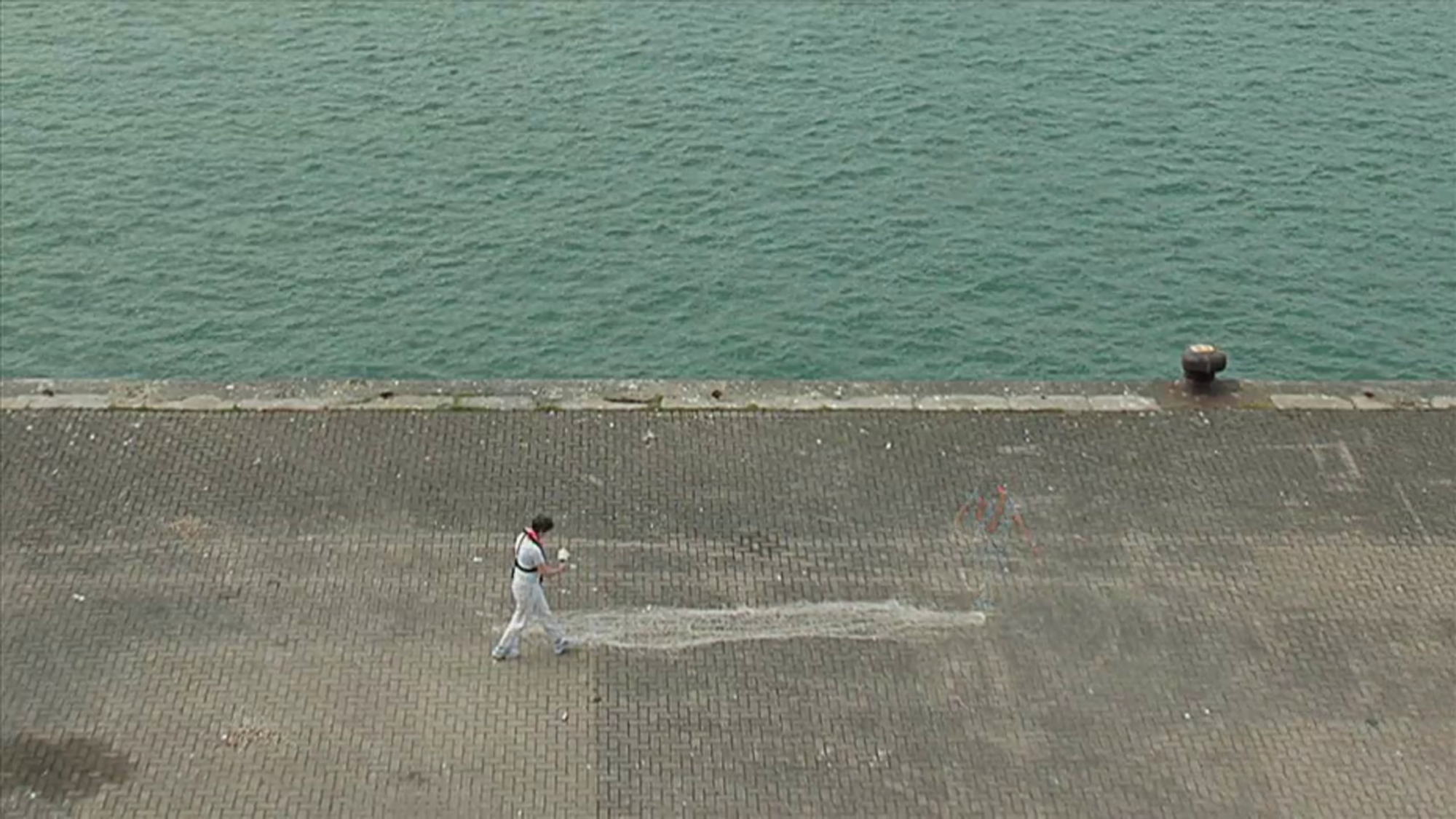
Submersion Dive Training Centre - Oban 2005
Truthing Gap
Bathymetric Map 1919 (detail)
Truthing Gap
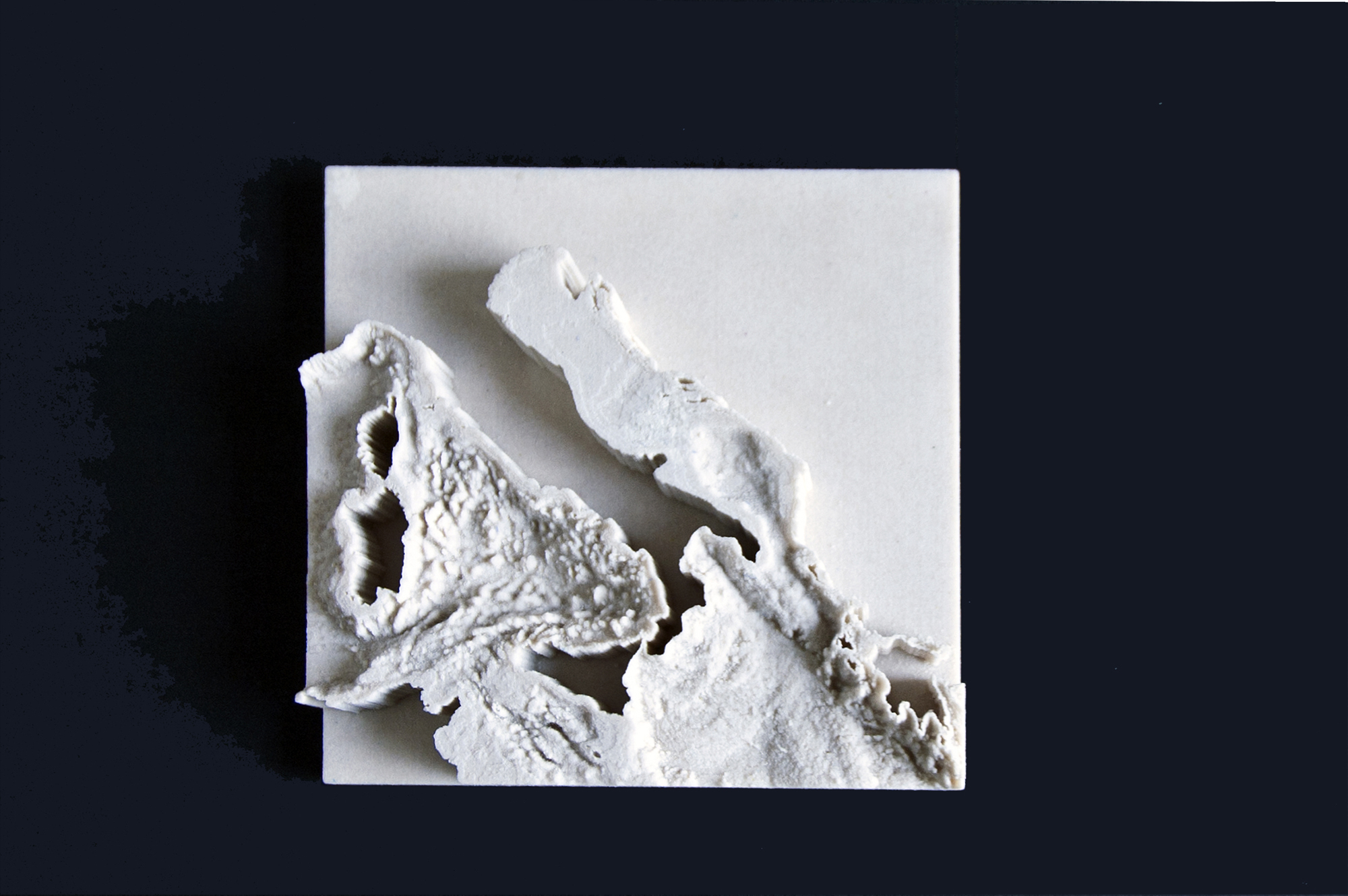
Three dimensional model Atlantic coast off North West Africa
Truthing Gap
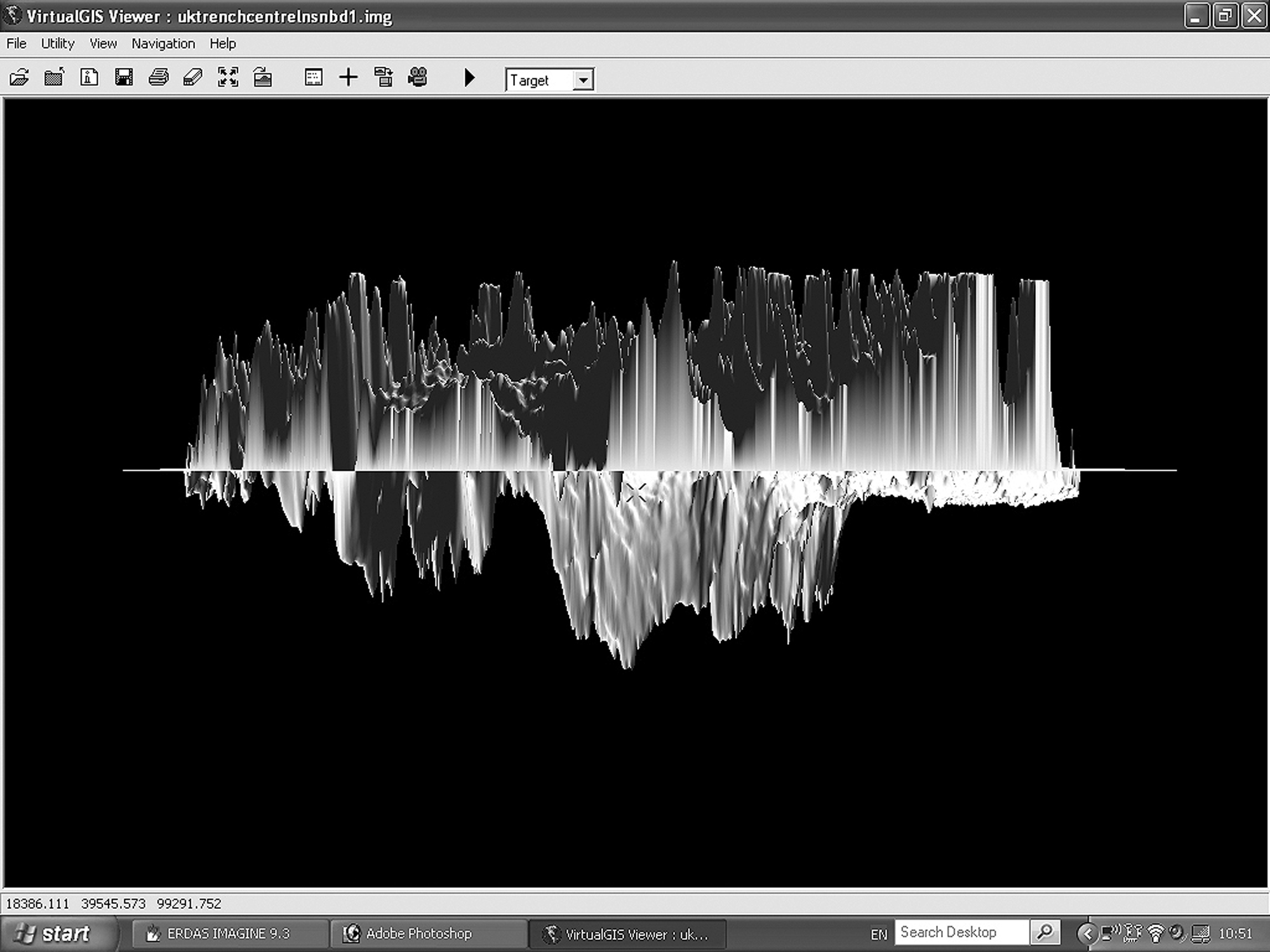
Sonar back scatter map - Cape Verde Islands

Truthing Gap is a project, which involves research into undersea environments and related human activity, that I have been working on for a number of years and which runs in parallel with the Submersion Series. It is driven by an interest in the ways in which the sub maritime might be thought of as of extra geographic and existing 'outside' of culture.

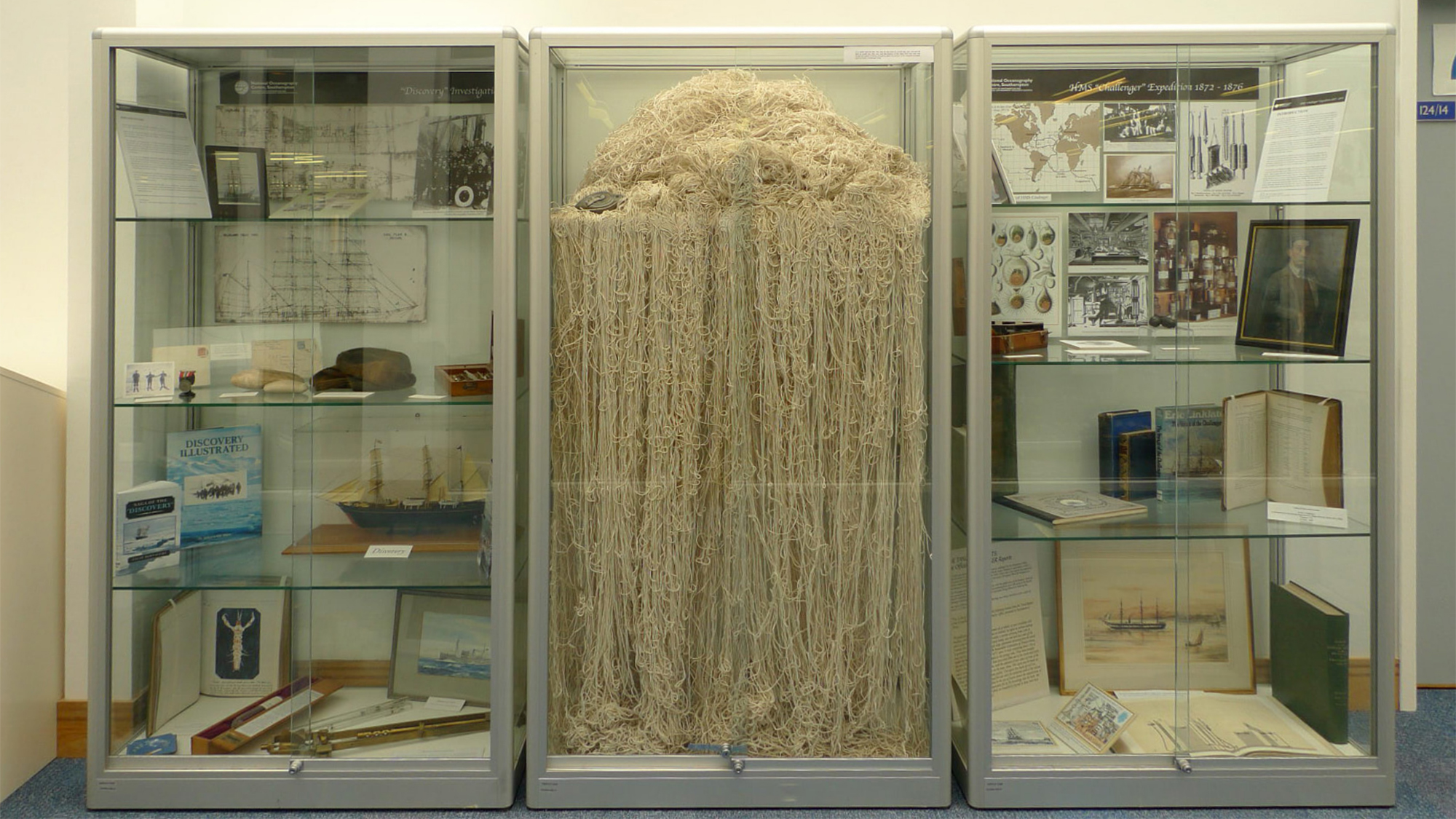
I am currently Artist in Residence (funded by the Leverhulme Trust) at the National Oceanography Centre, Southampton, one of the world's top five oceanographic research institutions, working with sonar geophysicist Dr Tim Le Bas exploring methods of seabed mapping and undersea survey. The project will explore the play of myth, imagination and objectivity, involved in envisaging environments that cannot be directly experienced, probing issues of knowledge production, perception and the nature of the scientific gaze.

Truthing Gap originates from an earlier cycle of works investigating different coastal locations and the ways in which they might be said to constitute a border zone, between for example, civic and natural. Following the encircling of a shadow 2001 I began to speculate about the idea of 'passing over the edge' and entering not only another element but also a space which might be thought of as culturally and psychologically 'other'. Around the same time the chance discovery of a historical bathymetric (undersea) map of the world (see image) in which the seabed was revealed as a region with its own distinctive contours and plains, left me fascinated by the looking glass world into which it provided a glimpse.

Currently the deep seabed constitutes the largest yet least known environment on the planet, a space whose histories are geological rather than social, one which is never the less subject to rapidly accelerating economic, political and ecological pressures. Problems of depth and visibility necessitate that undersea surveys be made using sonar, rather than optically, a circumstance which might be said to place the deep ocean at one remove from the post enlightenment drive to render the world as observable phenomena. The work of Dr Le Bas and his colleagues seeks to minimize the challenges posed by such locations to attempts to map them, painstakingly cleaning and re-modelling raw data to achieve recognisable forms. For me this process and the visual practices to which it give rise are fascinating. Incidents such as the recent use, by Russian broadcasters, of footage from the film Titanic, within reports of undersea territorial claims (symbolized by the planting of a flag on the seabed 14,000 feet beneath the North Pole), suggest a collapsing of real and imaginary which make this dialogue particularly timely.Technically the term 'truthing gap' refers to the necessity to verify sonar data with other findings, here it refers to the question of what we 'see' when looking at undersea environments and how our perceptions are formed.

The work we propose to do has a number of strands, including the fabrication of physical, as opposed to virtual, models in different materials; the production of annotated maps which contextualise the environments being surveyed economically, politically and culturally and the staging of a programme of readings, screenings and lunchtime seminars, at NOCS designed to prompt reflection on the work being undertaken, from a cultural and imaginative as well scientific perspective.

The last two images on this page show samples of bathymetric maps created by Dr Le Bas